There is a reason people still gather around the screen when a show goes out live. It isn’t the lighting or the set. It’s the tiny, electric possibility that something unplanned might happen, and that millions of people will see it at the same moment.
In a world of edited clips and endless retakes, live television is one of the last places where a mistake can’t be undone. That is what makes it thrilling, and it is why so many of the most talked-about moments in TV history came from the unscripted seconds nobody rehearsed.
Why Live TV Feels Different
Most of what we watch has been shot, trimmed, color-corrected and polished. Live television has none of that safety net. If a guest says something unexpected, a camera misses its mark, or a teleprompter freezes, the audience sees it in real time.
That pressure creates a special kind of suspense. Viewers aren’t just watching a show. They’re watching people work without a net, and that is a big part of the appeal.
The Moment That Became a Legend
The most famous example in recent memory happened at the 2017 Academy Awards. The wrong Best Picture winner was announced because presenters were handed the wrong envelope. Producers and cast members took the stage, and the mistake was corrected on air, in front of a huge audience.
No script could have planned it. It was messy, awkward and human, and it is still talked about years later. It also shows how one small backstage error can turn into a moment millions remember.
Not Everything Is Actually Live
Here’s something many viewers don’t realize: a lot of the shows we think of as live aren’t. Many talk shows are “live to tape,” meaning they are recorded in one continuous session with little or no stopping, then aired later the same day. The energy feels live because the host and guests perform as if it is.
Truly live broadcasts, like award shows, sports, news and special events, usually run with a short broadcast delay, often a few seconds. This gives producers a small window to bleep a word or cut away from something inappropriate. It’s a safety valve, and it’s the reason the wildest moments on live TV are the ones that slip through.
What Makes a Live Moment “Stun” Millions?
Not every surprise becomes a headline. The moments that spread tend to share a few ingredients:
- Genuine unpredictability. The audience can tell when something isn’t scripted.
- Big stakes or a big stage. An error at a major awards show lands harder than one on a small local broadcast.
- Strong emotion. Laughter, awkwardness, tension and surprise all travel fast.
- Easy to retell. If you can explain it in one sentence, people will share it.
Social media multiplies all of this. A few seconds of unplanned television can be clipped, shared and discussed by millions of people within an hour, long before the show ends.
How Hosts and Guests Handle the Unexpected
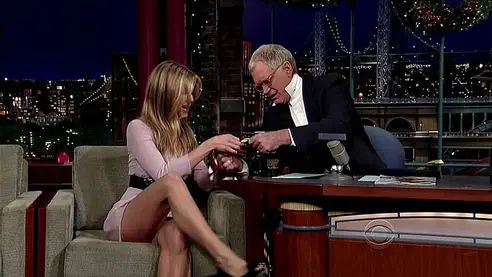
Talk show hosts and live presenters are trained for surprises. Their real skill is recovery. A good host can turn an awkward pause into a joke, redirect a tense exchange, or gracefully move on when a guest goes off script.
Behind the scenes, a whole team supports them. Producers speak into earpieces, directors switch cameras in a fraction of a second, and stage managers signal from just outside the frame. What looks effortless on screen is usually the result of dozens of people reacting at once.
Guests prepare too. Many go through a pre-interview, where producers learn which stories they want to tell, so the conversation feels natural but doesn’t go completely off the rails. Even then, the best moments are often the ones that fall outside the plan.
The Role of the Audience
The studio audience matters more than most people think. Their laughter, gasps and applause set the mood for viewers at home. A quiet pause in a studio can feel heavy on camera, and a burst of laughter can rescue a joke that might otherwise fall flat.
That shared reaction is also why live events feel communal. You aren’t just watching. You’re part of a moment that thousands of other people are experiencing at exactly the same time.
Why We Keep Coming Back
Streaming gave us the freedom to watch anything, anytime. But live television offers something on-demand can’t: a shared present. When you watch a live broadcast, you know that nobody, not even the people on screen, knows exactly what happens next.
That uncertainty is also why “what happened next” headlines work so well. They tap into a basic curiosity we all have. We want to see the unexpected, and we want to say, “I saw it happen.”
Tips for Watching Live TV Like an Insider
If you want to get more out of your next live broadcast:
- Watch the reactions, not just the speaker. Faces in the audience and on the set often tell the real story.
- Notice the recovery. How a host handles a stumble says a lot about their skill.
- Follow along online, carefully. Real-time discussion can be fun, but stay skeptical of clips that lack context.
- Check the source. A dramatic caption doesn’t always match what actually happened. Before sharing, look for the full segment.
That last point matters. Viral clips are often trimmed to look more shocking than they were, and a few seconds of footage can tell a very different story than the full scene.
The Bottom Line
Live television has survived streaming, social media and endless on-demand choices because it offers something rare: real unpredictability. Whether it’s an envelope mix-up, a guest who goes off script, or a joke that lands perfectly by accident, the best moments are the ones nobody saw coming.
So the next time a show goes live, stay tuned to the end. You never know what might happen next, and you might be watching the moment everyone else talks about tomorrow.
What’s the most unforgettable live TV moment you’ve ever seen? Tell us in the comments, and share this post with someone who never misses a live show.