As dogs get older, their needs begin to change. They may become less active, lose muscle, drink differently, or have trouble chewing the food they once loved.
The good news is that a few simple habits can help support an aging dog’s comfort and quality of life. The most important step is not simply giving more food or supplements, but adjusting care to the individual dog’s needs.
1. Pay More Attention to What Your Dog Eats
Senior dogs don’t all need the same diet. Some need fewer calories because they’re less active, while very old dogs that are losing weight may actually need more calorie- and nutrient-dense food.
Protein is also important for maintaining muscle, but the ideal diet depends on your dog’s health, activity level, and medical conditions.
Instead of automatically switching foods because your dog has reached a certain age, discuss the change with your veterinarian.
2. Consider Softer Food if Chewing Becomes Difficult
Dental problems are common in older dogs. If your dog suddenly struggles with dry kibble, eats more slowly, drops food, or seems uncomfortable while chewing, don’t simply assume it’s normal aging.
A veterinarian can check for dental disease or other problems. In some situations, wet or canned food may be easier to eat.
3. Keep Your Senior Dog Hydrated
Older dogs can be more vulnerable to dehydration, so make sure fresh water is always available.
Consider placing water bowls in multiple convenient locations around the house. Monitor changes in drinking habits as well—a sudden increase or decrease in water consumption can sometimes signal an underlying health problem.
4. Watch Their Weight—and Their Muscles
Don’t focus only on the number on the scale.
As dogs age, they can gain body fat while losing muscle. Regularly checking your dog’s weight and body condition can help you notice changes early.
If you notice unexplained weight loss, a major appetite change, or a significant reduction in activity, schedule a veterinary examination rather than simply changing the food yourself.
5. Keep Their Mind Active
Older dogs still benefit from mental stimulation.
Try simple activities such as:
- Treat-puzzle toys
- Short sniffing walks
- Gentle games
- Learning simple new commands
- Hide-and-seek with family members
Mental stimulation can help keep senior dogs engaged and gives them positive interaction with their people.
6. Make Veterinary Checkups More Important
One of the best things you can do for an aging dog is catch problems early.
Veterinary guidance commonly recommends senior dogs receive examinations at least twice a year. These visits can help identify changes involving weight, dental health, mobility, kidneys, heart, and other body systems.
Final Thoughts
Aging is natural, but many changes that people attribute to “just getting old” can actually be signs of treatable medical conditions.
Start paying closer attention to your dog’s food, water intake, weight, mobility, teeth, behavior, and overall energy. Small changes in routine can make a big difference when they’re based on your dog’s individual needs.
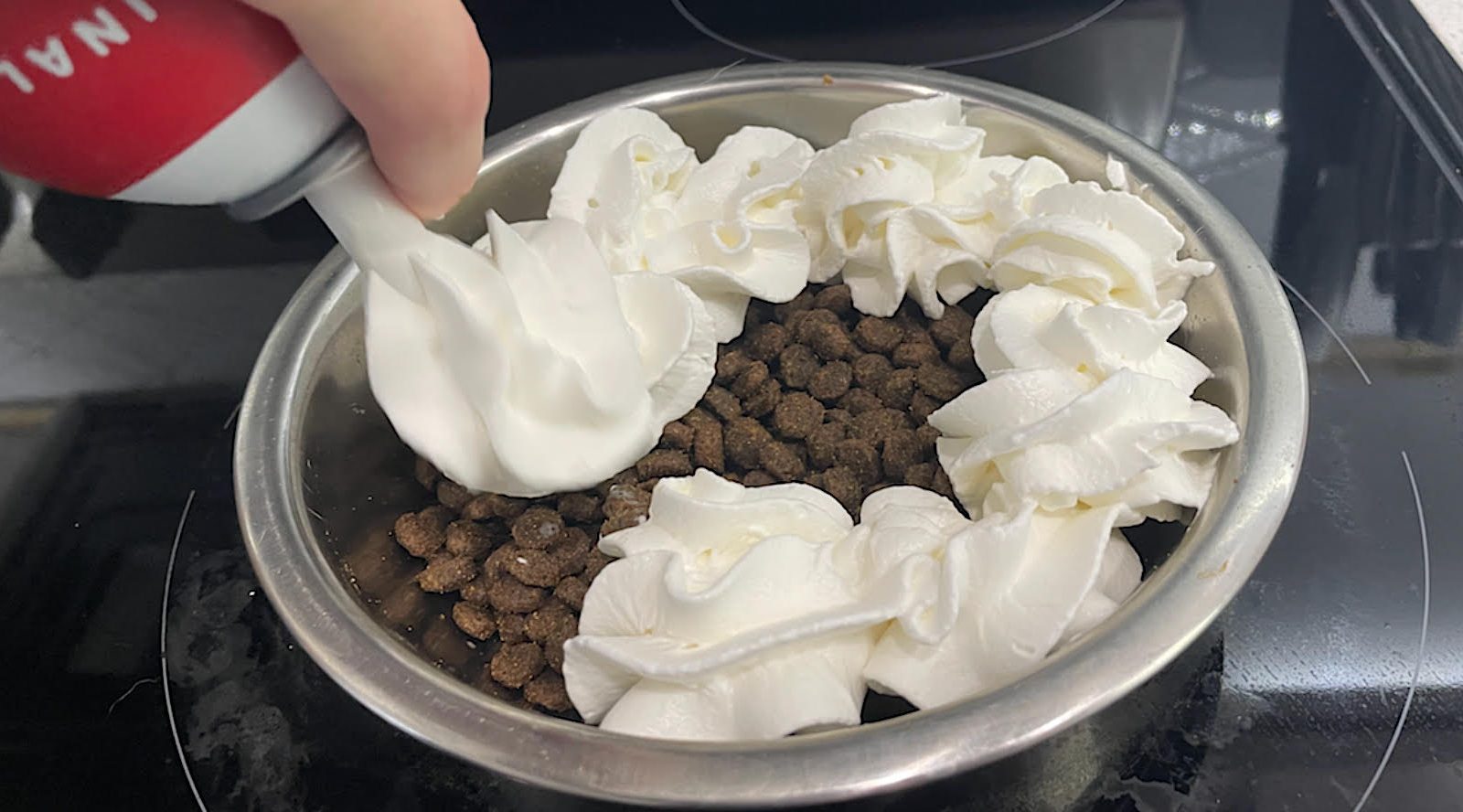
And if you’re considering adding whipped cream, treats, supplements, or human foods to your dog’s meals—as pictured—check with your veterinarian first. Extras should fit within your dog’s overall nutritional and calorie requirements.