
Olive oil has become a staple in many kitchens, and for good reason. It’s versatile, flavorful, and widely used in Mediterranean-style cooking. But despite its healthy reputation, not all olive oil is the same, and how you buy, store, and use it can make a difference.
So, what is the main problem with olive oil?
For many consumers, the biggest issue isn’t olive oil itself—it’s quality, storage, and choosing the right type for the job.
1. Not All Olive Oil Is Equal
Extra-virgin olive oil (EVOO) is produced under stricter standards than refined olive oil. It generally has more distinctive flavor and naturally occurring compounds associated with olives.
However, bottles can vary significantly in quality. Price alone doesn’t always tell you whether a particular bottle is fresh or high quality.
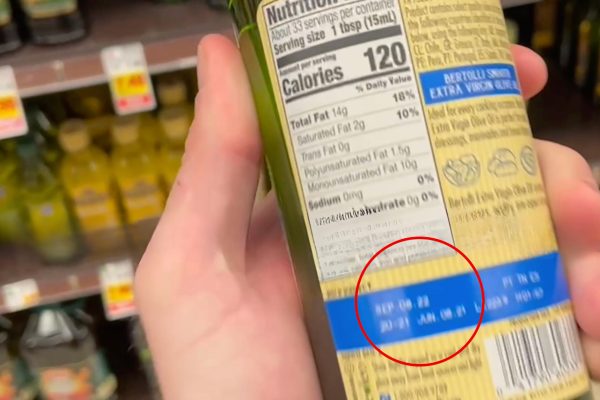
When shopping, check the label carefully and look for information about the harvest date or best-before date when available.
2. Olive Oil Can Go Stale
Like other oils, olive oil can deteriorate over time. Exposure to heat, light, and oxygen can accelerate this process.
A bottle sitting next to a hot stove or in direct sunlight isn’t being stored under ideal conditions.
For better storage, keep olive oil tightly closed in a cool, dark place. Buying smaller quantities can also make sense if you don’t use oil frequently.
3. “Healthy” Doesn’t Mean Unlimited
Olive oil contains mostly unsaturated fat, but it is still calorie-dense. A tablespoon contains roughly 120 calories.
That doesn’t make it unhealthy. It simply means that portion size matters, especially if you’re trying to manage your overall calorie intake.
Using olive oil as part of a balanced diet is different from assuming that adding large amounts automatically makes a meal healthier.
4. Cooking Temperature Matters
Olive oil is commonly used for cooking, sautéing, roasting, and frying. However, the appropriate oil depends on the cooking method and temperature.
Instead of worrying about a single universal “smoke point,” focus on using an oil appropriate for the cooking temperature and avoiding prolonged overheating that causes visible smoke.
5. Don’t Judge Quality by Color
A darker or greener olive oil isn’t automatically better. Color can vary depending on olive variety, ripeness, processing, and other factors.
Flavor and freshness are much more useful indicators than simply looking at the color.
How to Get More From Your Olive Oil
Store your bottle away from heat and sunlight, close the cap immediately after pouring, and avoid keeping it around indefinitely.
For salads, dipping, and finishing dishes, a flavorful extra-virgin olive oil can add a lot to the meal. For everyday cooking, choose an oil that suits your cooking method and budget.
The Bottom Line
The main problem with olive oil isn’t that olive oil is inherently bad. The bigger concerns are buying poor-quality or stale oil, storing it incorrectly, and treating it as a health food that can be consumed without considering portions.
Choose a quality product, store it properly, and use it as part of an overall balanced diet.